
Now Reading: More Farmers Are Switching to This Method — And It’s Getting Noticed
-
01
More Farmers Are Switching to This Method — And It’s Getting Noticed

Farmers Embrace a New Way That’s Changing Fields
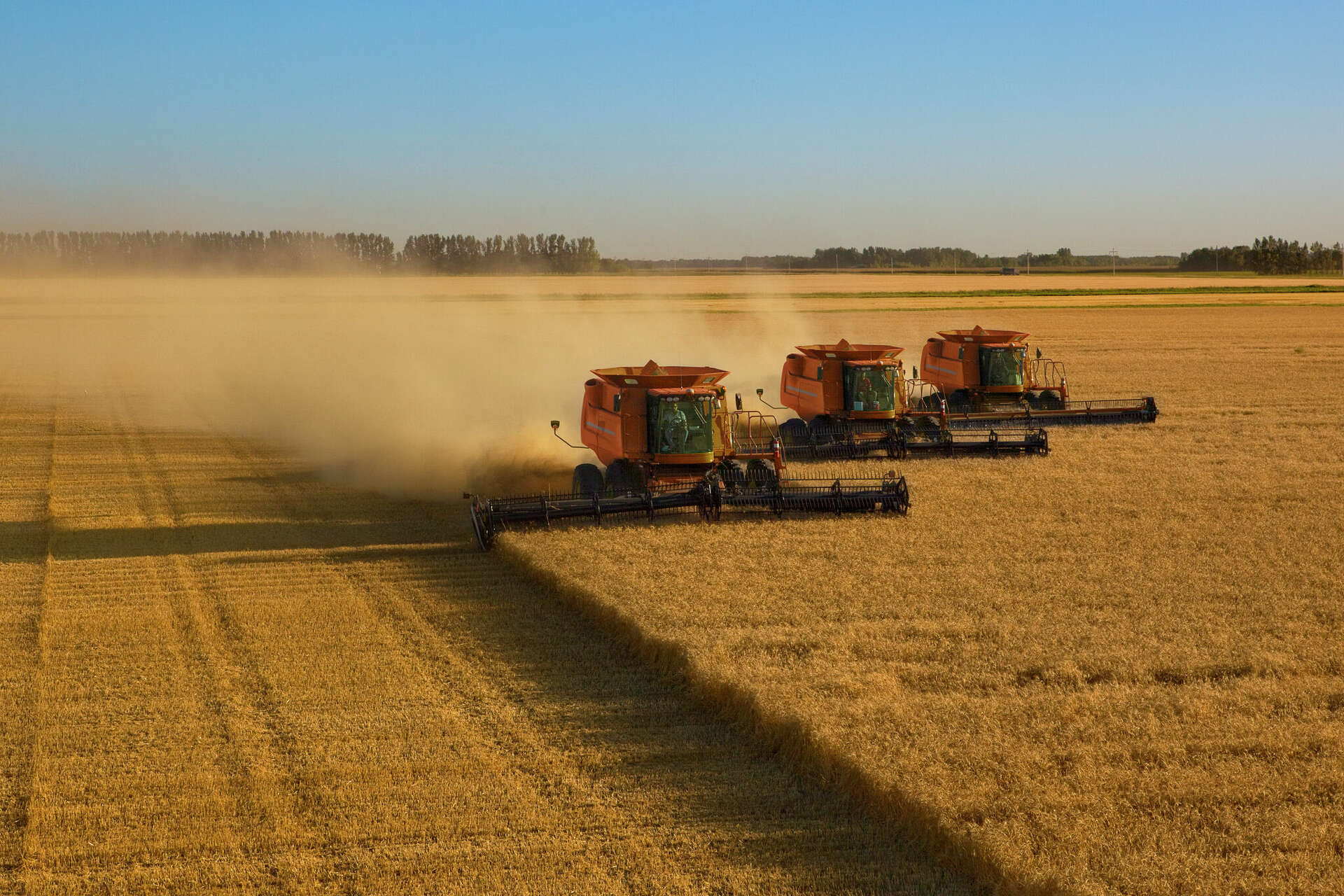
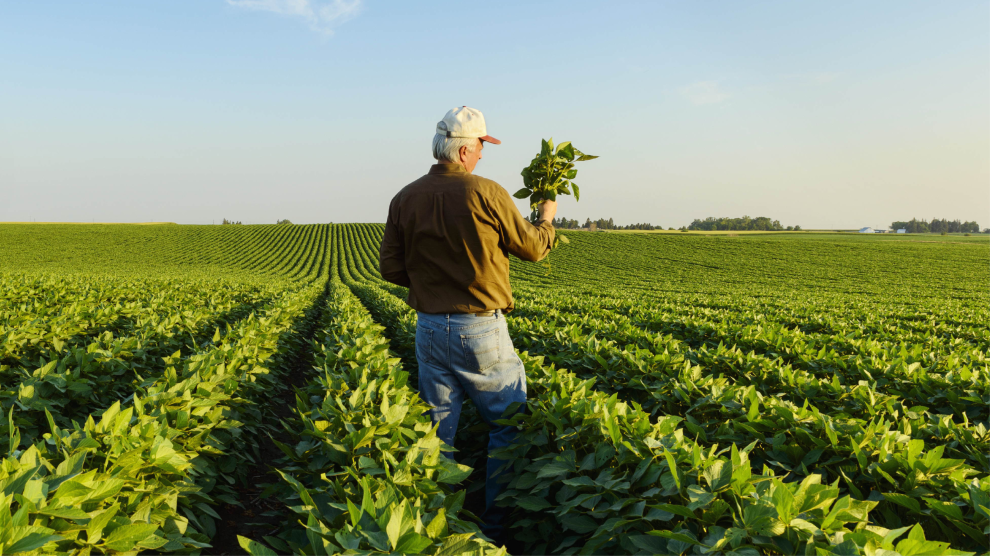
Across the country—and around the world—farmers are quietly reshaping the way food is grown. What began as a niche experiment has become a notable movement: more farms are adopting regenerative and sustainable farming methods. The shift isn’t about a single technique or crop, but rather a transformation in mindset. It’s driven by a simple yet powerful idea—that healthy soil leads to healthy harvests, resilient farms, and a sustainable future.
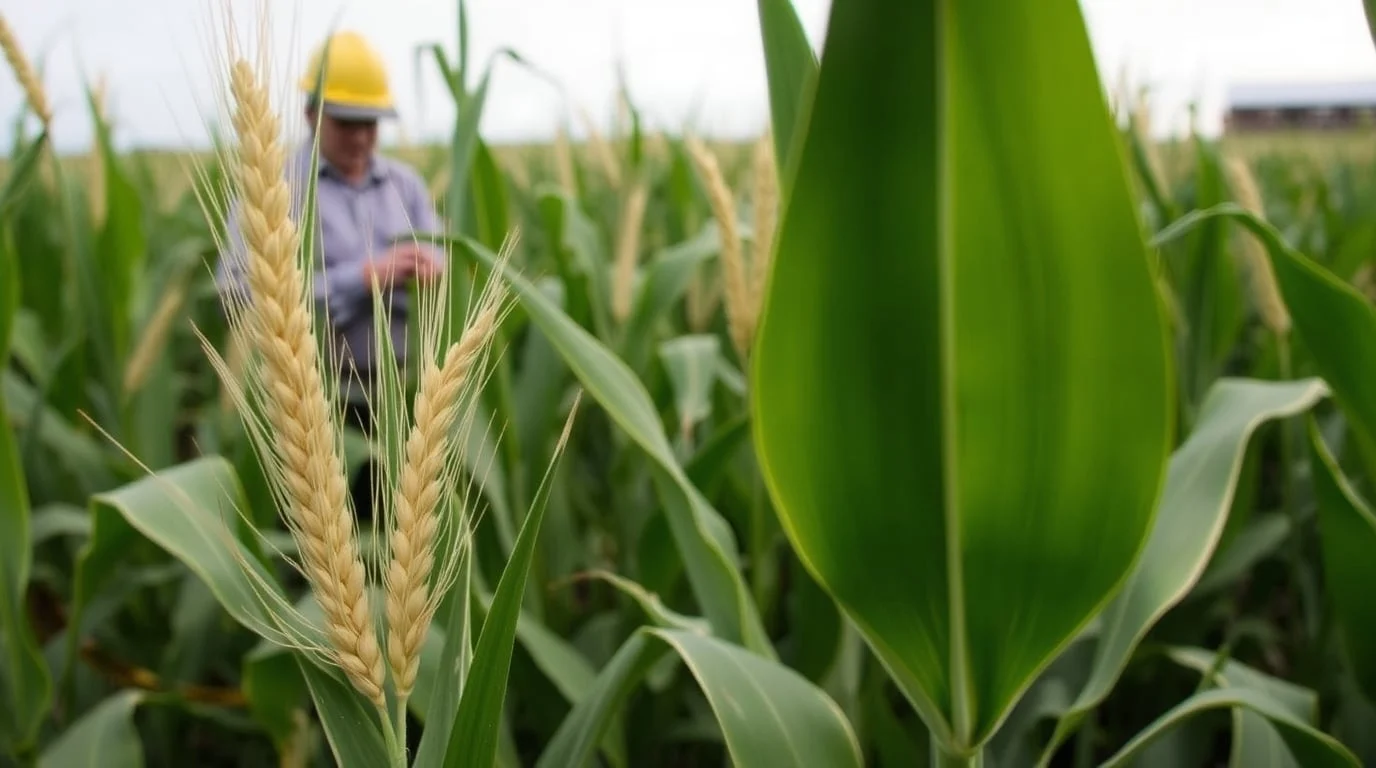
From small family plots to large operations, farmers are experimenting with practices like no-till farming, cover cropping, crop rotation, integrated pest management, and precision agriculture. These approaches aim to work with nature rather than against it. Instead of relying heavily on synthetic fertilizers or aggressive tilling, the focus is on fostering the living ecosystem beneath the soil—microbes, fungi, and organic matter that keep the land fertile.
The results are beginning to show. Farmers who switch to regenerative methods often report improved soil health, higher yields over time, reduced input costs, and better water retention. In many cases, these benefits accrue gradually, but their long-term impact can be profound. In areas facing drought, for example, soil enriched by regenerative practices holds onto moisture longer, helping crops survive increasingly unpredictable weather patterns.
At the same time, this shift is restoring a sense of balance. “You start to see more birds, earthworms, and pollinators once the soil heals,” one farmer in Iowa observed. “It feels like the land is alive again.” This connection—both ecological and emotional—is what keeps many growers committed despite the challenges of transition.
Technology, too, is helping fuel the transition. Drones, data analytics, and remote sensors allow farmers to monitor soil carbon, track moisture levels, and apply water or nutrients only where needed. These tools make sustainable farming more precise, efficient, and profitable—helping bridge the gap between traditional knowledge and modern science.
Government programs, research institutions, and food companies are taking notice. Some offer financial incentives or carbon credits for adopting regenerative practices. Others see marketing value in partnering with farms that can demonstrate sustainability. Taken together, these developments signal that the movement is not just a passing trend—it’s a new chapter in agriculture.
Why This Sustainable Method Is Drawing Attention
The growing attention around regenerative agriculture comes at a time of urgent environmental and economic pressures. Climate change, soil degradation, and rising costs have forced many farmers to reconsider how they grow their crops. Regenerative methods promise a way forward—one that increases resilience instead of dependence.
Unlike conventional approaches that often emphasize short-term yield, regenerative farming builds long-term productivity by nurturing the soil’s natural processes. When organic matter increases, carbon is stored underground rather than released into the atmosphere, helping mitigate greenhouse gas emissions. Healthier soils also mean less runoff of fertilizers and pesticides into rivers, improving water quality for nearby communities.
Consumers, too, are part of this story. With growing awareness about food origins and sustainability, the demand for responsibly grown produce and grains is skyrocketing. Many people prefer to buy from farms that prioritize environmental health and ethical practices. As a result, supermarkets, restaurants, and global food brands are sourcing more ingredients from regenerative farms and showcasing this commitment in their products.
The transition isn’t without its hurdles. Shifting farming methods can require upfront investment, new equipment, or learning new soil management techniques. However, many advocates argue that the economic and environmental payoffs in the long term make it worthwhile. Some farmers, especially those facing extreme weather, say they can no longer afford not to adapt.
Ultimately, the reason this farming renaissance is getting noticed is simple: it offers a path toward a more stable and balanced agriculture system—one that prioritizes the Earth’s health alongside human prosperity. As more farmers make the switch, what was once considered “alternative” may soon become the new mainstream, shaping the future of food production for generations to come.