
Now Reading: Conditions in the Fields Are Changing Faster Than Expected — What It Means
-
01
Conditions in the Fields Are Changing Faster Than Expected — What It Means


Farmers Confront Rapid Shifts in Field Conditions
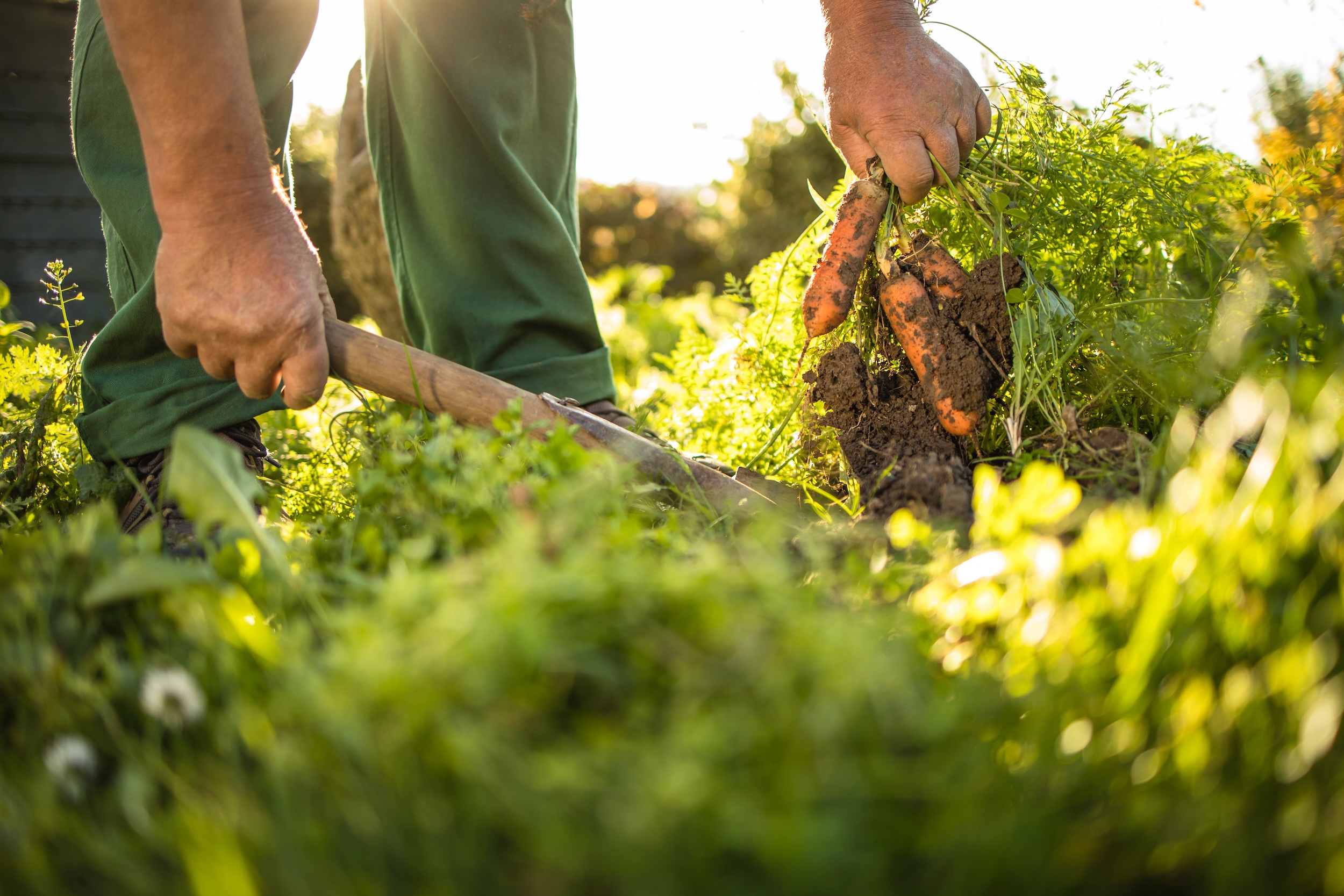
Across agricultural regions around the world, farmers are finding themselves at the frontline of a rapidly evolving environmental reality. What once followed predictable seasonal cycles—steady rains, gradual warming in spring, dependable harvest timelines—has become a mosaic of unpredictability. The phrase “conditions in the fields are changing faster than expected” has moved from academic reports into farmers’ daily conversations. It no longer describes a hypothetical situation; it is the lived truth of modern agriculture.
Over the last decade, shifting weather patterns, erratic rainfall, extreme temperature swings, and new pest pressures have begun to reshape how food is grown and when it can be harvested. Many farmers note that turning points in the season arrive earlier or later than before, making traditional calendars unreliable. Crops that once flourished under familiar conditions now struggle with excessive heat, sudden drought, or unexpected storms. The soil itself—long treated as a steady partner in food production—is responding differently, drying out more quickly or staying waterlogged after heavy rains.
These changes are not limited to a single region. Rice growers in Southeast Asia, wheat producers in the American Midwest, and vineyard owners in Europe report similar challenges—shifts in timing, moisture, and nutrient behavior that disrupt both routine and yield forecasts. Technologies like soil sensors and satellite imaging have confirmed what farmers have long observed: the pace of change is accelerating, leaving little margin for guesswork.
While scientists have warned of broader climatic disruptions for years, the rate at which these transformations are occurring on the ground has exceeded many expectations. Some areas now experience multiple “once-in-a-decade” weather events in just a few years. This volatility is altering not only production outcomes but also the economic stability of rural communities that depend on consistent harvests.
Farmers are responding with a blend of resilience and innovation. Many are diversifying crops to spread risk, investing in real-time weather monitoring systems, and experimenting with regenerative practices designed to restore soil health. However, these adaptations require resources—time, technology, and financial support—that are often beyond the reach of small and medium-sized producers. Without targeted assistance, the gap between those able to adjust and those left vulnerable could widen dramatically.
Adapting to a New Era of Unpredictable Agriculture
The transformation underway in agriculture signals a fundamental shift from managing stability to managing uncertainty. For decades, farming practices were built on relatively consistent patterns—plant at this date, irrigate by that stage, expect harvest roughly three months later. That playbook is no longer reliable. Farmers now must make decisions in an environment defined by variability rather than continuity.
One major consequence is the need for faster and more flexible decision-making. Data analytics, weather forecasting, and precision agriculture tools are becoming indispensable. Farmers increasingly track soil temperature, moisture, and nutrient levels through sensors and adjust irrigation schedules daily rather than weekly. Some even rely on artificial intelligence models that integrate local conditions with global forecasts to predict disease or pest outbreaks before they strike.
Nevertheless, technology alone cannot solve the problem. Adaptive strategies also depend on community-level coordination and policy support. Water-sharing agreements, crop insurance updates, and incentives for soil conservation will all play crucial roles in ensuring that farms remain productive amid the flux. Education and extension services must evolve as well—helping farmers interpret data, choose resilient seed varieties, and understand shifting pest behaviors.
In some regions, adaptation also means rethinking what crops to grow. Climate-sensitive favorites are giving way to hardier varieties that can tolerate drought, flood, or heat. For example, farmers in traditionally cool climates are experimenting with crops once considered southern or tropical. This diversification may help cushion against losses but also brings new learning curves, market uncertainties, and infrastructure demands.
Looking ahead, the pace of change suggests that agriculture must embrace flexibility as a permanent principle. Farmers, policymakers, and researchers will need to collaborate more closely than ever, recognizing that the conditions in the fields are not static but dynamic, responding to global forces at an unprecedented rate.
Ultimately, the broader meaning of these rapid shifts is both cautionary and hopeful. It underscores the fragility of the systems that feed humanity, yet it also highlights the ingenuity of those who cultivate the land. As farmers confront the reality that field conditions are changing faster than expected, they are also demonstrating the creativity and determination needed to sustain agriculture in a new era. What happens next will depend on how quickly societies understand that these transformations in the fields mirror larger challenges in our relationship with nature—and how ready we are to respond together.