
Now Reading: The Agricultural Market Is Sending New Signals Right Now
-
01
The Agricultural Market Is Sending New Signals Right Now

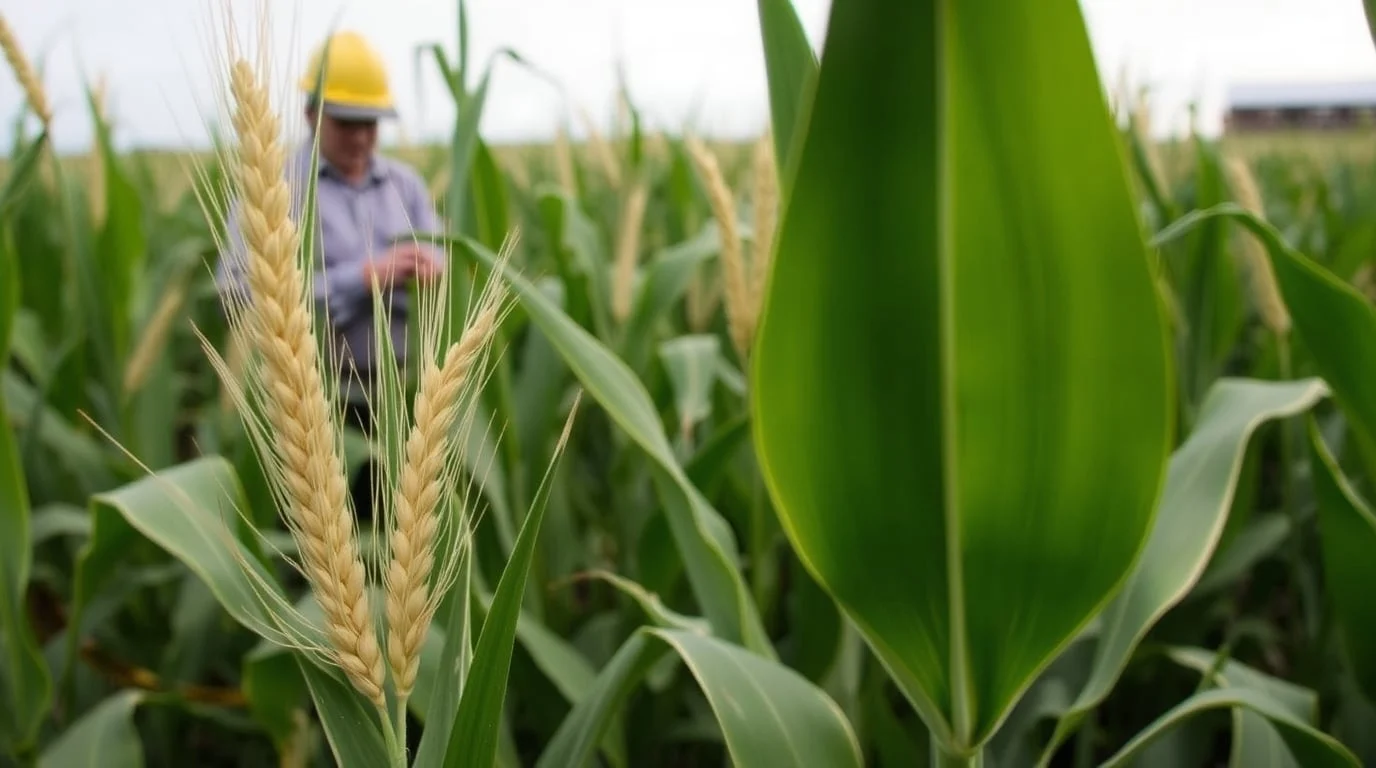
Farmers Face Shifting Trends in Global Crop Demand
The global agricultural market is undergoing a period of notable change, with fresh signals emerging that are reshaping farmer decisions, trade flows, and food policy. Although shifts in agriculture are not new, the current wave combines several significant forces — climate variability, technological innovation, changes in consumer preferences, and geopolitical realignments — to create a distinctly new landscape for producers and markets alike.
One of the most visible developments is the changing nature of global crop demand. Traditional export powerhouses such as soybeans, corn, and wheat continue to play a critical role, but growth in these crops is now being influenced by emerging dietary trends and sustainability goals. For instance, as consumers in developed economies turn toward plant-based proteins and alternative energy sources, farmers are reconsidering which crops will yield the strongest long-term returns. At the same time, growing populations in regions like Sub-Saharan Africa and Southeast Asia are increasing local demand for staple foods, creating new market opportunities closer to where they are consumed.
Climate change is simultaneously reshaping supply patterns. Weather volatility, recurrent droughts, and shifting rainfall zones have forced producers to adapt both planting schedules and crop choices. Some farmers are diversifying beyond traditional grains into higher-value or more resilient crops such as pulses, specialty oilseeds, or even regenerative agricultural systems. Water scarcity and soil degradation continue to constrain output in certain regions, driving more investment in irrigation technology, data-driven soil analytics, and crop genetics designed for climate resilience.
Global trade relationships are also evolving, sending mixed signals to growers. Trade policy disruptions in recent years — from tariffs to regional conflicts — have altered established export routes. For example, shifting relations between major grain exporters and importers are influencing how farmers anticipate demand months or even years in advance. This combination of unpredictable trade dynamics and growing competition from emerging producers is prompting a more cautious and strategic approach to production planning.
Technology and digitalization add another layer of transformation. Farmers are increasingly using real-time data analytics, satellite imagery, and precision agriculture systems to interpret market and environmental signals earlier than before. By tracking shifts in commodity prices, weather forecasts, and supply chain logistics, producers are better able to manage risk and allocate resources efficiently. However, this also introduces a learning curve and requires investment in both equipment and technical expertise, which small and medium-sized farms may find challenging.
These changes suggest that agricultural success will depend less on maximizing yields of a few conventional crops and more on responding to diverse, dynamic signals from global markets, consumers, and the environment. Growers who adapt early stand to benefit, while those who rely solely on historical production models may find themselves facing tighter margins and greater uncertainty.
Market Signals Point to a New Era of Agriculture
The agricultural market is clearly sending new signals right now — and they point to an era defined by adaptability, resilience, and data-informed decision-making. The prevailing message is that farming systems worldwide are becoming more responsive to both ecological limits and economic trends.
One major signal comes from the intersection of sustainability and profitability. Governments and corporations alike are setting more ambitious climate and biodiversity goals, which are shaping incentives for farmers to reduce greenhouse gas emissions and adopt regenerative practices. Whether through carbon markets, eco-certification programs, or sustainable finance initiatives, producers are receiving financial cues that sustainability is now integral to competitiveness.
Another signal comes from technology’s growing influence on market structure. Artificial intelligence and blockchain applications are beginning to improve transparency across supply chains, allowing consumers and buyers to trace food from field to fork. This transparency not only enhances trust but also affects pricing and branding strategies. The farmer of the future may rely as much on digital records and carbon accounting as on traditional agronomic knowledge.
Demand-side shifts continue to evolve as well. As global consumers become more conscious of health, environmental impact, and food origin, demand for diverse products — from organic grains to climate-smart crops — is expanding. This is creating niche markets that reward innovation and quality over quantity. In developing countries, meanwhile, rising incomes and urbanization are increasing demand for protein, vegetable oils, and convenience foods, spurring investments in infrastructure and logistics.
Financial markets are also amplifying these new agricultural signals. Investment funds and institutional buyers are paying closer attention to environmental risk, supply chain disruption, and geopolitical stability when evaluating agricultural assets. Commodity price volatility, once driven largely by weather patterns, now reflects a more complex mix of factors — energy costs, policy shifts, transport bottlenecks, and digital trading trends.
Taken together, these indicators mark a transition to a more interconnected and information-driven agricultural economy. Success will depend on how effectively farmers, traders, and policymakers read and respond to these signals. The old systems of production, based primarily on historical averages and long-term crop cycles, are giving way to a model that values agility and sustainability as much as productivity.
In conclusion, the agricultural market is indeed sending new signals right now — signals that speak of opportunity wrapped in uncertainty, innovation intertwined with risk, and transformation at every level of the global food chain. Those who can interpret these signals accurately and act decisively will help define the next chapter of agriculture’s evolution.