
Now Reading: An Unexpected Factor Is Influencing Yields This Year — Farmers React
-
01
An Unexpected Factor Is Influencing Yields This Year — Farmers React

Weather Shifts Catch Farmers Off Guard This Season
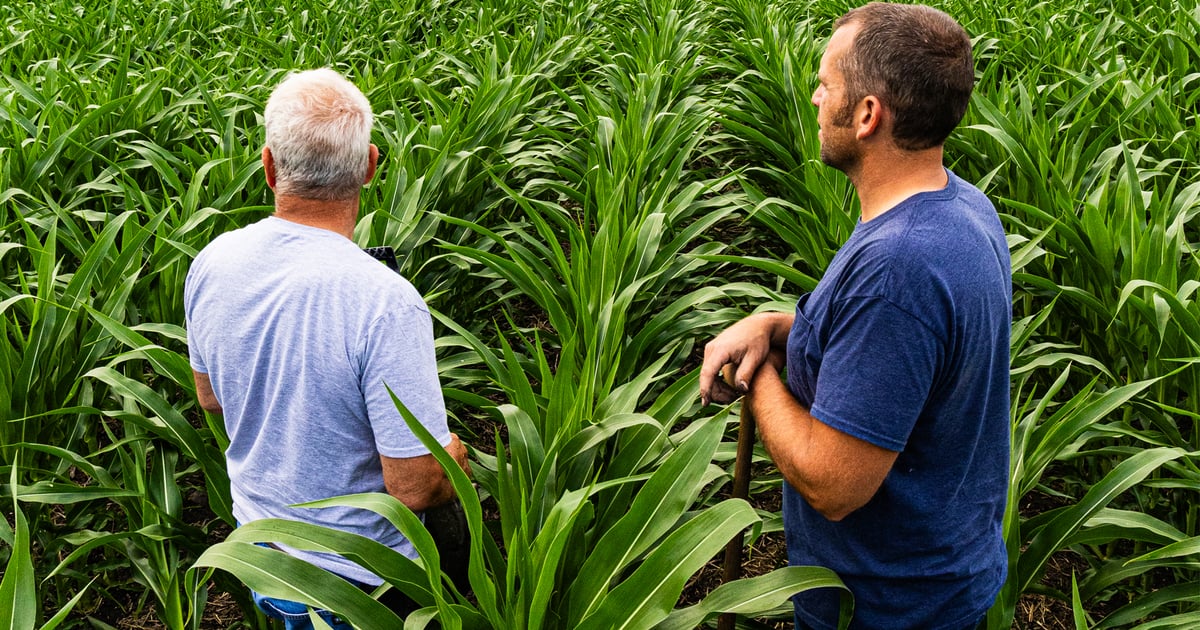
Across much of the agricultural heartland, 2024 has turned into a year of surprises for farmers. While producers always expect a few challenges—pests, prices, or policy shifts—many didn’t anticipate just how much the changing weather patterns would redraw the map for crop yields. What began as a seemingly normal growing season quickly turned unpredictable, with heavy rains in some regions and record-breaking dryness in others.
Meteorologists point to shifting jet stream behavior and warming global ocean temperatures as root causes of the inconsistent weather. Unseasonal heat waves struck key corn and soybean areas just as pollination began, and unexpected storms later flooded low-lying acreage. These fluctuations have disrupted planting and harvesting routines, leaving even veteran farmers struggling to read the signals from nature.
In Kansas, wheat growers who expected bumper yields due to a mild winter were hit with late frost events that damaged early stands. In the Midwest, soybean producers are watching fields dry out faster than expected, forcing them to irrigate more than budgeted. Meanwhile, fruit growers in the Pacific Northwest say sporadic rain and uneven temperatures have altered ripening times, affecting both quality and shipping schedules.
Experts say the broader climate shift isn’t just about temperature—it’s about timing and intensity. “We’re seeing the same amount of rainfall in many areas, but it’s falling in short, intense bursts instead of steady periods,” explained one agricultural climatologist. “That changes soil moisture balance and root development, both of which directly affect yield potential.”
As a result, crop forecasts are being revised almost weekly. Insurance providers report a surge in claims tied to weather-related damage, and commodity markets are reacting with volatility as traders struggle to gauge final production numbers. For many farmers, uncertainty has become the new norm—one that demands more flexibility and foresight than ever before.
Producers Adjust to Surprising Yield Challenges
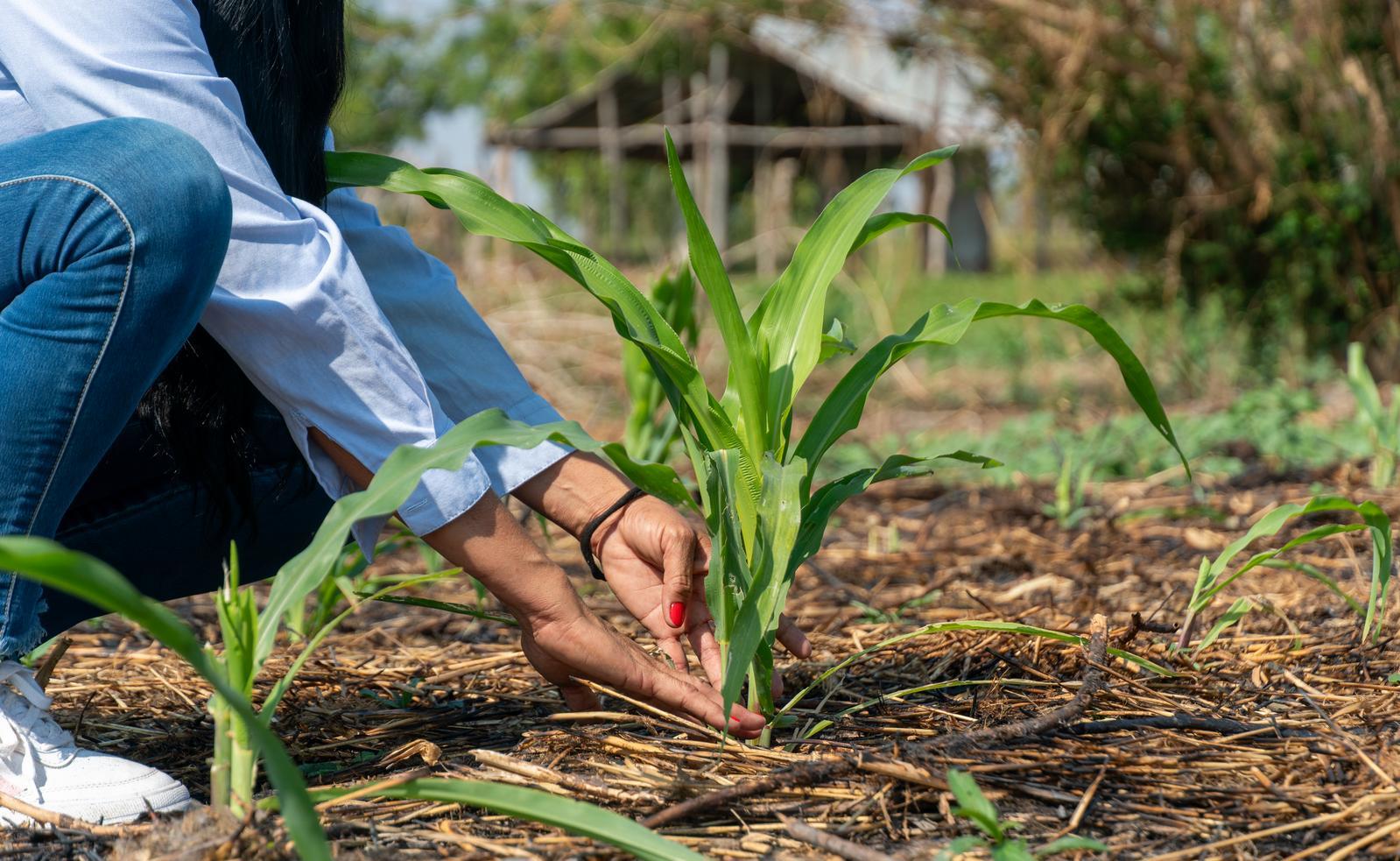
Despite the setbacks, farmers are not standing still. Across all regions, producers are responding to these unexpected factors with a mix of innovation, adaptation, and community collaboration. Some have shifted planting schedules to better match emerging climate patterns, while others are experimenting with drought-tolerant or fast-maturing crop varieties.
In Iowa, one grower has begun experimenting with cover crops that help retain soil moisture during unpredictable dry spells. In the Carolinas, peanut producers are trialing new irrigation systems linked to soil moisture sensors that send real-time data to mobile apps. “Technology gives us a fighting chance to keep up with the changes,” said one farmer. “We can’t control the weather, but we can respond faster than we used to.”
Cooperative extension services and local universities are also stepping up. Agronomists are holding workshops on adaptive nutrient management and improved soil health strategies. The advice is clear: managing resilience starts at the ground level. Healthy soil acts like a buffer, helping crops endure both flooding and drought conditions.
Beyond the technical adjustments, there’s a growing emotional and financial toll. Many farmers describe the challenge of trying to plan for next season when this one remains so unpredictable. “It used to be that we could look at twenty years of records and predict what was coming,” one corn producer said. “Now, the only thing predictable is change.”
Economists expect that yield fluctuations will ripple through the larger food supply chain, affecting everything from grain exports to grocery store prices. Yet farmers remain hopeful, leaning on their long tradition of resilience. “Every generation has faced its own test,” noted a fourth-generation Illinois farmer. “Ours just happens to be learning how to farm smarter under a shifting climate.”
Ultimately, this year’s unexpected factor—a volatile and changing weather system—has reminded producers of both the limits and the promise of modern agriculture. As farmers continue to adapt, their strategies offer valuable lessons not only for the field but for society at large: in an era of uncertainty, flexibility and innovation may prove to be the most important crops of all.