
Now Reading: Farmers Are Quietly Changing Their Approach to Planting Season — Here’s Why
-
01
Farmers Are Quietly Changing Their Approach to Planting Season — Here’s Why

Subtle Shifts in How Farmers Prepare Their Fields
Across the countryside, something subtle yet significant is happening. Farmers are rethinking long-held planting habits — the timing, the technology, and even the crops themselves. These shifts aren’t announced with fanfare; they’re unfolding quietly, field by field, as producers respond to the realities of modern agriculture.
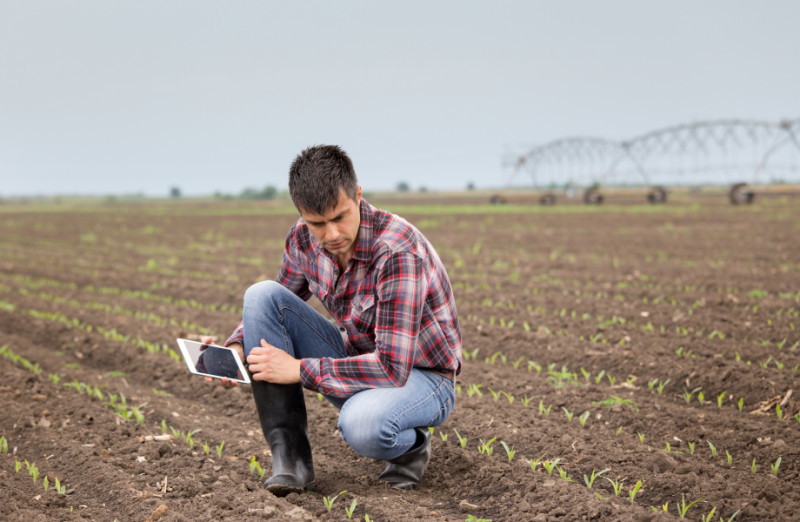
Traditionally, the start of planting season followed a predictable rhythm dictated by regional climate and generational wisdom. Today, that rhythm is increasingly shaped by data analytics, soil sensors, and satellite forecasts. Farmers are using weather modeling software and on-the-ground moisture measurements to decide not just when to plant but how deep to sow, which seed varieties to favor, and how to manage nutrients for optimal germination.
No-till and low-till methods are also gaining momentum. These approaches, once considered niche, are becoming mainstream as farmers seek to preserve soil health and reduce fuel costs. Leaving last season’s crop residue on the surface helps prevent erosion, locks in moisture, and rebuilds the organic matter that keeps fields productive year after year. Paired with precision planting machinery, many farmers are finding they can use fewer inputs — less fertilizer, less fuel, and less irrigation — without hurting yields.
At the same time, digital agriculture tools are evolving from experimental to essential. Drone imagery can now reveal early-season plant stress before the naked eye can detect it. Automated planters adjust seed spacing on the fly, making real-time decisions based on soil variability. Even small-scale farmers are turning to mobile platforms to manage data and coordinate planting across multiple fields.
These changes may not be as visible as new tractors or irrigation pivots, but they represent a quiet revolution in how fields are prepared. The goal is no longer to simply plant on time — it’s to plant smart, adapting continuously to conditions that are shifting faster than ever before.
Climate Pressures and Markets Drive New Planting Tactics
What’s fueling this transformation is a mix of necessity and opportunity. The climate is less predictable, and markets are more volatile. Over the past decade, erratic swings in temperature, rainfall, and storm intensity have upended long-standing planting calendars. A warmer spring might tempt early planting, but unexpected cold snaps can wipe out young seedlings. Extended droughts or sudden downpours test the limits of traditional crop management strategies.
Farmers are responding with a flexible mindset. Many are diversifying their crop rotations — mixing in cover crops or adding new varieties of corn, soybeans, or small grains that mature at different times or tolerate stress better. Others are experimenting with regenerative techniques, aiming to make their land more resilient while also capturing carbon, a potential new source of income as carbon credit markets expand.
Global market dynamics play an equally powerful role. Input costs have soared, and trade disruptions or demand swings can reshuffle profit projections overnight. By fine-tuning planting schedules and seed selections, farmers can hedge against price changes or supply chain delays. Sustainability programs from food companies and grain buyers are also influencing choices. Being able to document soil-friendly practices or water conservation efforts increasingly translates into market advantages and sometimes premium payments.
Another force driving change is generational turnover. Younger farmers entering the industry are often more comfortable with technology and more attuned to environmental stewardship. Many are combining lessons passed down from their parents with digital tools, renewable energy projects, and data-driven management. The result is a growing culture of innovation across the agricultural landscape — one that prizes resilience as much as productivity.
In essence, today’s planting season is no longer a fixed window of activity but a fluid process of adaptation. Farmers are balancing science with intuition, tradition with technology, and short-term realities with long-term sustainability. These quiet but purposeful shifts reflect an industry determined to endure — not by resisting change, but by planting directly into it.