
Now Reading: New Rules for Farmers Are Being Introduced — Many Missed the Details
-
01
New Rules for Farmers Are Being Introduced — Many Missed the Details

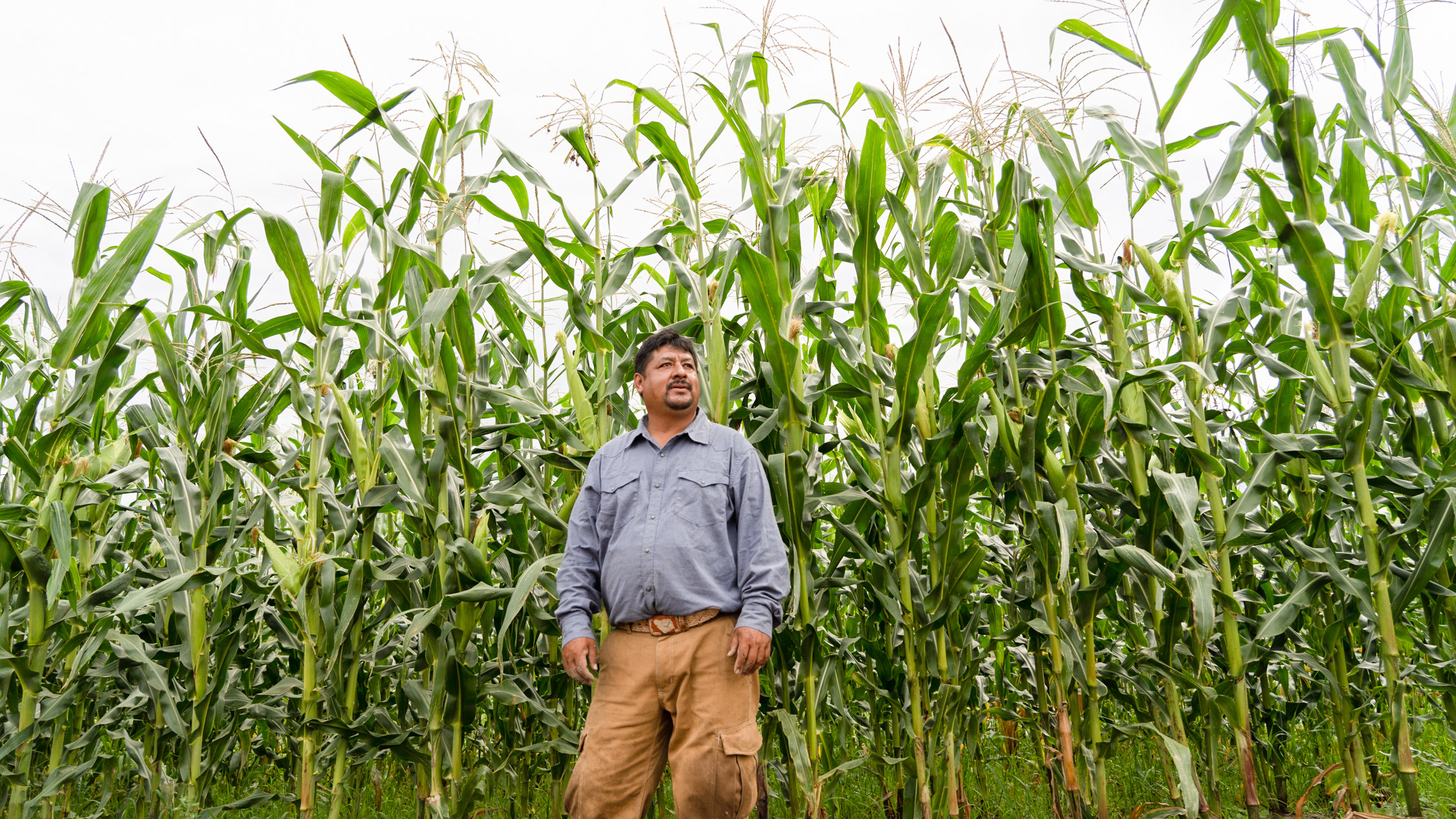
Government Rolls Out Updated Farm Regulations
In recent weeks, the government announced a sweeping update to agricultural regulations, aiming to modernize farming practices, improve environmental sustainability, and address the growing concerns about water usage, soil health, and food safety. The reforms were part of a broader rural policy package designed to balance economic growth with environmental responsibility.
Under the new rules, farmers will be required to maintain more detailed records of their pesticide and fertilizer use, comply with stricter water management standards, and adopt cleaner waste disposal systems. The changes also expand requirements for livestock welfare, including improved housing conditions and regular veterinary oversight.
According to the Department of Agriculture, the reforms are intended to make agriculture more resilient in the face of climate change. Officials emphasize that these updates were based on consultations with agricultural associations, environmental scientists, and local governments. However, as the details began to reach rural communities, it became clear that the communication campaign explaining the reforms had not reached everyone equally. Many farmers remain uncertain about the new obligations and deadlines they must meet.
One government representative explained that the rules are part of a five-year plan to align domestic standards with international sustainability targets. Grants and low-interest loans will be made available to help smaller farms transition to new equipment and greener methods. Yet, amid the promise of support, the rollout has sparked more confusion than clarity.
Confusion Grows as Farmers Miss Key New Details
Despite the government’s intention to simplify and standardize agricultural operations, many farmers report that they only learned about the policy changes through social media posts or word-of-mouth discussion at local markets. Several rural associations warn that a lack of direct communication is causing widespread misunderstanding and frustration.
Some farmers mistakenly believe the new rules come into effect immediately, while others have yet to realize they must apply for compliance certification within a specific time frame. The problem is compounded by vague mail notices and the limited availability of extension officers who can explain the details on-site. Rural internet access remains inconsistent, which has left many communities unable to access online updates or download the necessary forms.
Agricultural experts caution that misinformation could result in unintentional non-compliance, leading to fines or suspended subsidies. They urge the government to conduct additional outreach workshops and provide plain-language guidance for each sector — crops, dairy, poultry, and mixed farming.
Veteran growers also point out that the new rules, while well-intentioned, could disproportionately affect small-scale farms that operate on tight budgets. “We support sustainable farming,” one farmer commented, “but we can’t keep up with regulations that change faster than we can adapt.”
Meanwhile, agricultural cooperatives and farmers’ unions are stepping in to bridge the gap. Some have started organizing local meetings to explain what the implementation phases will look like, while others are helping members fill out compliance reports. Still, questions persist about enforcement and whether penalties for missed deadlines will be flexible during the initial adjustment period.
In the coming months, the government is expected to release further clarifications and a series of instructional materials to guide farmers through the transition. For now, the greatest challenge lies in communication: ensuring that every farmer, regardless of size or location, fully understands what is required before the new rules take full effect.
The success of the reforms will ultimately depend not only on the policies themselves but on how well the country’s agricultural community is informed and supported. As one agricultural policy analyst put it, “Good regulation doesn’t just change what farmers do — it changes how they feel about doing it. That’s where understanding makes all the difference.”