
Now Reading: What’s Happening to Grain Prices Has Even Experts Paying Attention
-
01
What’s Happening to Grain Prices Has Even Experts Paying Attention

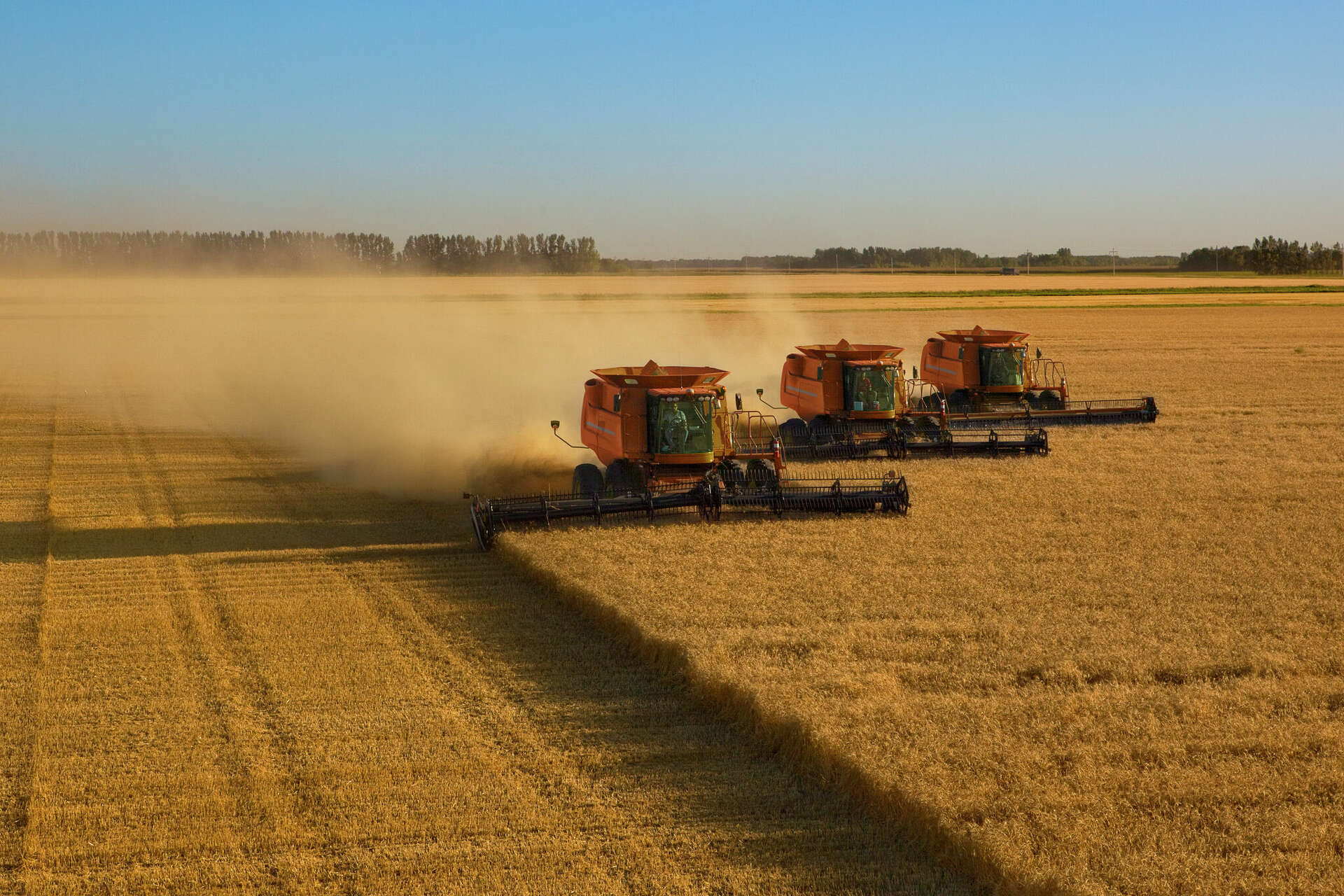
Global Grain Prices Surge Amid Market Uncertainty
Over the past several months, global grain markets have been experiencing a dramatic shift that has economists, traders, and farmers alike paying unusually close attention. Prices for key staples such as wheat, corn, and soybeans have surged to levels not seen in years, setting off a wave of concern across industries and governments that depend heavily on stable food supplies.
The volatility stems from a complex mixture of environmental, geopolitical, and economic factors. Unpredictable weather patterns—droughts in major producing regions of North and South America, floods in parts of Asia, and unseasonable heatwaves in Europe—have significantly disrupted yields. The uncertainty surrounding climate conditions is making it increasingly difficult for producers to plan their planting and harvesting cycles, which in turn affects supply and long-term price stability.
On top of environmental challenges, global trade routes have faced renewed disruptions. Conflicts in key agricultural export zones, higher fuel costs, and logistical bottlenecks at major ports have slowed down shipments. For nations that rely heavily on grain imports, particularly in Africa and the Middle East, these challenges are creating food security concerns. The price of wheat, for example, has risen in some markets by as much as 25% since late last year, putting additional strain on already tight budgets and increasing the cost of basic food products like bread and pasta.
Monetary policy shifts have also added to the complexity. As central banks worldwide attempt to combat inflation, fluctuating currency values have made grain trade even more unpredictable. A stronger U.S. dollar, for instance, makes commodities priced in dollars more expensive for foreign buyers, which can both dampen demand and distort global price signals. The result is a tense and uncertain market environment where traditional forecasting models no longer seem reliable.
Experts Scramble to Decode the Sudden Price Shifts
Even seasoned analysts are finding it difficult to make sense of the current grain price dynamics. Economists who have tracked agricultural commodities for decades acknowledge that this level of volatility is unusual, and some suggest that the world may be entering a new era of market unpredictability driven by overlapping crises.
One major reason for expert concern is the growing frequency of “shock events.” A single drought or political conflict might have caused temporary disruption in the past, but today’s markets face multiple simultaneous stressors. Climate change has increased the frequency and intensity of crop-damaging weather, while geopolitical instability and supply chain complications have amplified the effects. The interconnected nature of global trade means that a shortfall in one region quickly reverberates throughout the world.
Furthermore, speculative trading is playing a larger role in amplifying market swings. Investors who see grain prices rising often move money into commodities as a hedge against inflation, which drives prices even higher in the short term. While this can be profitable for traders, it can make life much more difficult for consumers and food producers caught in the middle. Governments are watching closely, as rising grain prices can quickly translate into higher food inflation, public unrest, and political pressure.
Agricultural policy experts point out that while technology and data analytics have improved, forecasting models still struggle to account for the range of variables currently influencing prices. From sudden changes in weather patterns to unexpected government export bans, the number of unpredictable factors has multiplied. Some analysts believe that diversification—both in terms of production regions and trade partnerships—may help stabilize prices over time, but such adjustments take years to implement.
For now, global grain markets remain in a precarious state. Experts continue to monitor the situation daily, searching for patterns that might explain the unprecedented fluctuations. Whether this is a temporary spike or the beginning of a longer-term transformation in agricultural economics remains to be seen. What is clear, however, is that grain prices have become a barometer of broader global instability—and their movements are signaling that the world’s food systems are under mounting pressure.
In a time when even experienced market watchers are uncertain, one thing is undeniable: what’s happening to grain prices has even experts paying attention, and the ripple effects are only beginning to emerge.